-
How do you think the Kainuu dance pavilion tradition can?
-
I originally come from Kuhmo and was away from Kainuu for 18 years. However, I have now lived in Kajaani for about 6 years.
In my opinion, the dance pavilion tradition is alive and well in Kainuu. In Sotkamo, there’s Napis; in Kajaani, Jormua’s dance pavilion and Kansanpirtti stand out as notable dance venues. They are different in size but, in my view, they work well together to ensure that dance evenings don’t overlap too much. Due to Kainuu’s age structure, the crowd at dances tends to be older on average, but they are active. The musical offerings from performers are diverse, so there’s hope that more young people will also get excited about dance pavilion culture.
-
As an artist, you understand the importance of marketing. Do you know how to better promote dance pavilion culture among young people? Do you have ideas for innovation, or should we stick to the old formula?
-
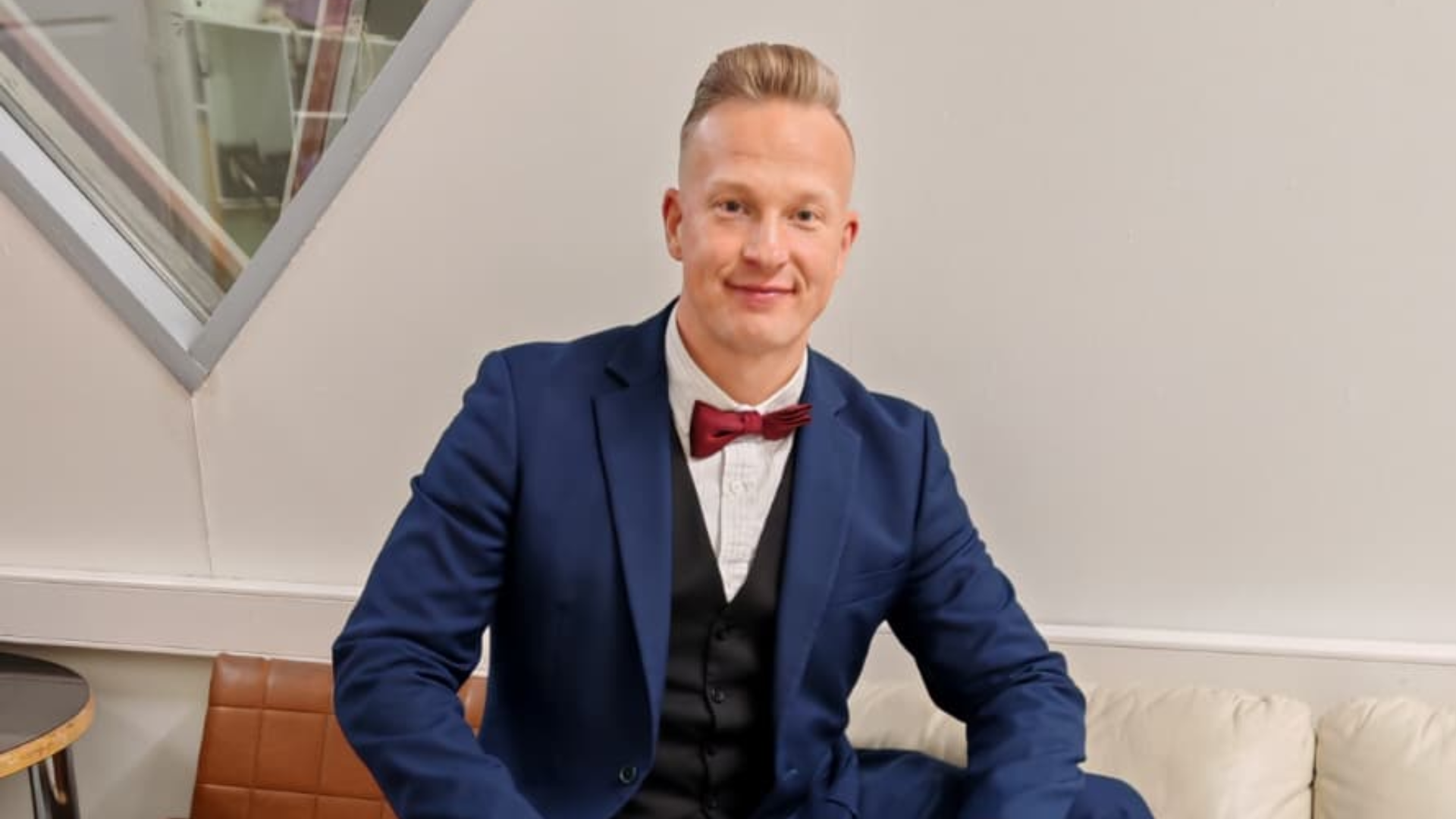
I have been an active schlager artist for 11 years now, and before that, my music genre was heavy/rock for 15 years. I fully understand that without proactive self-promotion (in addition to performing and recording), an artist cannot truly rise to public awareness. Performing, or so-called "legwork," is still undoubtedly the best PR for an artist, but nowadays, social media can help and support in many ways. The competition among artists is fierce, and you constantly have to work hard to maintain your visibility. I strongly believe that various social media channels can be the solution to getting more young people to discover dance pavilions. However, I would also pass the ball to the dance venues on this matter. In my opinion, promoting different artists should be just as important for event organizers!
I believe many "young" people may not fully know what’s happening at their local dance pavilion—what it looks like or what exactly goes on there. For example, social media makes it easy to share information in a relatable and human way.
Musically, I still trust in the traditional dance music, and we have always received praise from the audience for this. In my opinion, a dance evening should always be diverse in terms of dance styles. However, not all artists may strictly follow this formula anymore? This is where one clear difference between artists emerges. The audience should explore different artists and orchestras with an open mind. The musical offerings are always different.
-
Do you, as an artist, have a long-term plan or a broader vision for developing your career?
-
When I decided to move into the world of schlager and tango music, it was initially quite unfamiliar to me. Fortunately, the orchestras I’ve played with have always had long-standing professionals who helped me dive into the right channels very quickly. Now, 11 years later, I feel I have a good grasp of things in every respect. However, all of this has required humble, persistent, and goal-oriented work from me, day after day, year after year. As an artist and singer, there’s always more to learn. You never truly become completely ready. I’ve advanced my career by participating in a very large number of singing competitions (I’ve now experienced all of them with good success, including TV formats). In addition, significant milestones over the years have included collaborations with various parties and operators. I can also call myself an official recording artist. On social media, I have a large number of followers and fans whose encouragement and support have long given me the strength to continue in the world of singing. However, the extremely positive feedback from live performances is always the best!
Now, I’ve advanced to the final weekend of the IskelmäMestarit 2026 singing competition. The final competition will take place in Kiuruvesi on July 17-18 as part of Iskelmäviikko. I already placed third in this competition years ago, so my goal right now is naturally to win. No matter how the competition turns out in the end, I’m sure it will open up new and different opportunities to develop my artistry further. Singing and performing for the people is my passion and a matter of the heart. It demands a lot, but it also gives a lot. If I could wish for one thing, it would be for the dance community to have a genuine opportunity to see and hear more artists on stage. There are many reasons why this isn’t the case today.